Lawn Mowing in Crouch End

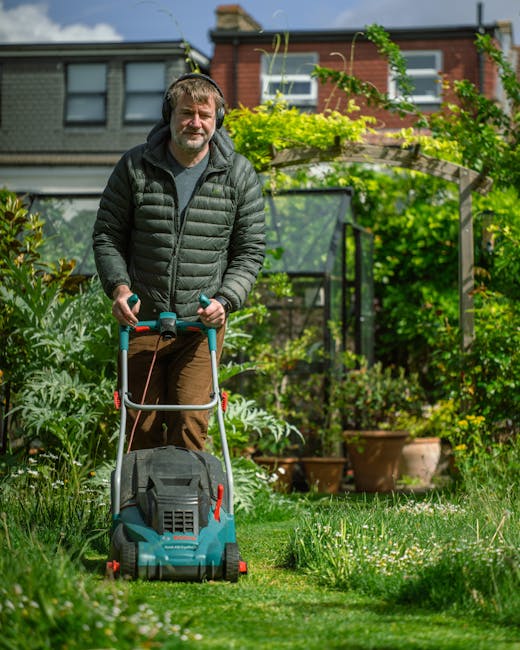
Keeping a lawn neat takes more than a quick pass with a mower. Our lawn mowing in Crouch End is focused on regular, careful cutting that leaves grass healthier-looking, tidier edges and a finish suited to the season. We work with domestic gardens and shared outdoor spaces where a consistent schedule matters, and we can combine mowing with other garden maintenance tasks where that is the most practical way to keep the space under control.
Because every lawn behaves differently, the right approach depends on grass length, access, surface conditions and how the garden is used. We can help with routine cuts, first cuts after periods of growth, and general maintenance that keeps paths, borders and lawn edges looking orderly. If you are comparing options, you can ask for a quotation once you have a clear idea of the work you want covered.
Our service is designed around a straightforward customer outcome: a well-kept lawn that is cut at an appropriate height and finished cleanly. Where needed, we can also look at surrounding areas so the mowing does not leave the garden feeling half-finished. Clearer presentation, better access and a more manageable garden layout are often the practical gains people want from this kind of work, and that is where a good mowing service should begin.
Regular Lawn Care and Seasonal Cutting
Routine mowing is the core of a healthy-looking lawn. In many gardens, the best results come from cutting little and often rather than waiting for the grass to become long and uneven. That approach helps maintain a more even appearance, keeps the lawn easier to walk across and reduces the blunt, ragged finish that can happen when grass is cut back too severely in one visit.
Seasonal growth changes the work needed. In spring and early summer, grass may need more frequent attention, while slower periods may call for lighter maintenance. We keep the focus on what the lawn actually needs rather than forcing the same routine on every garden. If a lawn has become tall, thin in places or patchy at the edges, the cutting plan may need a gentler reset before it returns to a normal schedule.
What a mowing visit can include
- Grass cutting to an agreed level suitable for the lawn’s condition
- Attention to edges where a mower alone does not give a tidy line
- Removal or tidying of cuttings where that is part of the agreed service
- Careful work around borders, paths and fixed garden features
- Flexible support for regular maintenance or one-off visits
Finishing Touches that Improve the Whole Garden
A good mowing job is not only about the main area of grass. The difference is often in the finish around the margins, where a lawn meets paving, planting beds, fences or steps. If these lines are left untidy, the whole garden can look less cared for, even when the grass itself has been cut well. We can include finishing work so the result feels coherent rather than partial.
Some gardens benefit from a broader tidy-up alongside mowing. That may mean light maintenance around awkward edges, cutting back growth that is encroaching on the lawn, or combining mowing with garden maintenance when more than one part of the outdoor space needs attention. This is especially useful where grass growth is being affected by surrounding plants or where a tidy, low-fuss look is the aim.
For areas that need more than routine cutting, it can be sensible to think about the whole outdoor layout. A lawn that sits beside overgrown beds, broken access routes or heavy plant growth may be difficult to maintain neatly unless those surrounding issues are also addressed. In those cases, mowing is only one part of the result, and a joined-up plan usually gives a better finish.
When Grass Needs More Than a Standard Cut
Not every lawn is in the same condition when work begins. Some are simply overgrown and need to be brought back under control; others are delicate, uneven or bordered by obstacles that call for more measured handling. We keep the work practical and proportionate, so the cut suits the lawn rather than forcing the lawn to suit the cut. That is particularly important where the grass has become long enough that a single pass would be too aggressive.
Access can also influence how mowing is carried out. Narrow side paths, sloping sections, steps, uneven ground and tight spaces around garden features may change the way the job is approached. If the lawn is split into sections, or if certain parts can only be reached carefully, the service should still aim for a consistent appearance across the whole usable area. Care and control matter just as much as speed in these conditions.
For some customers, the value is in getting the garden back to a manageable baseline before settling into routine care. In that situation, mowing may be paired with garden clearance where overgrowth, stray debris or clutter are affecting the lawn area. Once the space is back under control, regular cutting becomes much easier to maintain and the garden is simpler to enjoy.
Supporting Services for a Tidier Outdoor Space

Grass cutting is often the first task people think of, but it is not always the only one needed to keep an outdoor space looking ordered. Over time, hedges, shrubs and climbing growth can begin to make a lawn feel smaller or harder to reach. Where that happens, combining mowing with related work can produce a cleaner overall line and make future maintenance less awkward.
We can also support lawns as part of broader landscaping or garden improvement plans where the grass area is being reshaped or refreshed. If you are looking beyond simple cutting, services such as hedge trimming and landscape gardening may be relevant, depending on how the garden is laid out and what outcome you want. The right combination keeps attention on the spaces that matter most.
For more substantial outdoor changes, it may be appropriate to consider whether the lawn is being preserved, reduced or integrated into a different design. In those cases, mowing is part of a wider plan rather than the whole job in itself. That can be useful when you want the garden to feel simpler to look after, or when a refreshed layout will make routine upkeep easier in the long run.
Planning the Work and Requesting a Quote
When you request a quotation, the most helpful information is usually the size of the lawn, the current condition of the grass and whether you want a one-off cut or repeated visits. Access matters too, especially if gates, steps or side paths affect how equipment can be brought in and out. The clearer the basic details, the easier it is to match the service to the garden without overcomplicating the job.
If there are areas you want included or excluded, say so at the outset. For example, some customers want only the main lawn cut, while others want edges, borders and surrounding growth addressed at the same time. If you are arranging more than mowing, a linked page such as pricing and quotes may help frame the enquiry, but the main aim is simply to describe the work accurately so the quotation reflects it.
Once the scope is clear, the next step is straightforward: tell us what the garden needs and ask for a quotation. That is usually enough to begin a sensible conversation about the work, the timing and the most appropriate level of service for the lawn.
Why Routine Maintenance Makes Mowing Easier
A lawn that is looked after regularly is generally simpler to cut cleanly than one that is left to grow unchecked. Routine maintenance reduces the amount of corrective work needed on each visit and helps keep the lawn’s appearance more even from one cut to the next. It also means that edging, trimming and the handling of clippings can stay manageable rather than becoming a larger, more disruptive task.
For many gardens, the best result comes from treating mowing as part of an ongoing maintenance pattern rather than a stand-alone event. A lawn mowing service can then work alongside other upkeep so the garden does not drift into a cycle of neglect and reset. That approach tends to suit customers who want the outdoor space to remain presentable without becoming a major project every time it needs attention.
If your lawn already has a basic structure and you mainly want it kept neat, regular cutting is often the most efficient way to maintain that standard. If the grass has become uneven or the boundaries are untidy, a little more attention at the start can help establish a better rhythm for the future. Consistency is often the biggest practical advantage.
About Crouch End
Crouch End is a district in north London, within the London Borough of Haringey, known for its village-like centre and strong sense of local identity. It sits on elevated ground between larger neighbouring districts, and its high street forms the focus of everyday activity. The area developed significantly in the nineteenth century, particularly as London expanded and transport links improved, and many of the streets around the centre reflect that period of suburban growth. Terraced and semi-detached housing is common, alongside converted buildings and later developments that sit within the older street pattern. Alexandra Palace lies to the east of the district and is one of the best-known landmarks associated with the wider locality, offering open views across London from its hilltop position. Priory Park and nearby green spaces provide places for walking and informal recreation, while the area’s shopping streets, cafés and cultural venues give it a busy local character. The former railway presence in the district’s history is also part of its identity, with the loss of direct rail services shaping how the area is connected today. As a result, Crouch End is often described through the balance it strikes between urban convenience and a more self-contained neighbourhood feel. Its architecture, parks and active local centres all contribute to that impression, making it a distinctive part of north London with a long-standing residential and commercial mix.
Garden Structures, Borders and Nearby Growth

Some lawns are straightforward open spaces, while others sit within gardens that include decking, raised beds, thick borders or trees that affect how the grass grows. These features can create shade, trap moisture or make access more difficult, all of which influences how mowing should be handled. A careful service takes those elements into account so the lawn is not cut in a way that damages nearby planting or leaves awkward patches behind.
Where a garden has fixed structures close to the lawn, it may make sense to combine mowing with related improvements such as decking services or tree lopping and removal, depending on what is physically limiting the space. That is not about turning a simple mowing task into something larger than necessary; it is about recognising when surrounding features are affecting the grass and the ease of maintaining it.
We aim to keep the service practical. If the garden contains areas that require a lighter touch, the work should be adjusted accordingly. That can mean more careful edging, more measured handling near obstacles or a shorter list of tasks on one visit if the lawn condition calls for it. The point is to leave the space looking tidy without creating avoidable stress for the grass or the surrounding layout.
What to Consider Before the First Visit
If you are arranging mowing for the first time, it helps to think about the present condition of the lawn rather than the ideal end result alone. A lawn that has been left to grow may need different treatment from one that is already maintained regularly. The same is true if the grass is damp, patchy, uneven or bordered by plants that make access more complicated. These details influence both the work and the most sensible way to schedule it.
It is also worth deciding whether you want mowing to stand alone or sit alongside other garden work. Some people only need a regular cut, while others want a wider tidy-up, light clearance or a maintenance plan that keeps the whole space in order. If you need further background on how the business is set up, you can read more through services overview, but the key point is the same: make the request as specific as you reasonably can.
For a clear quote, tell us the lawn size, the general condition and the type of finish you want. That simple starting point usually provides enough detail to work out the most appropriate approach and keep the process efficient.
Getting a Neat Result That Fits the Garden

The best mowing results usually come from matching the service to the garden, not treating every lawn the same way. Some outdoor spaces benefit from a very regular schedule and a crisp finish, while others need more flexible maintenance because of growth patterns, shade or changing use. The work should be shaped around the lawn’s condition and the practical layout of the space, so the end result feels neat without being overworked.
If you are also looking at wider garden improvements, services such as landscaping or about us can help you decide how mowing fits into the bigger picture of outdoor upkeep and presentation. The important part is that the lawn remains manageable, well cut and suitable for the way you use the garden.
When you are ready, make a note of the work you need and ask for a quotation. Whether the job is a routine cut, a return to order after a period of growth or a broader maintenance plan, the aim is to make lawn care simpler and the garden easier to enjoy.