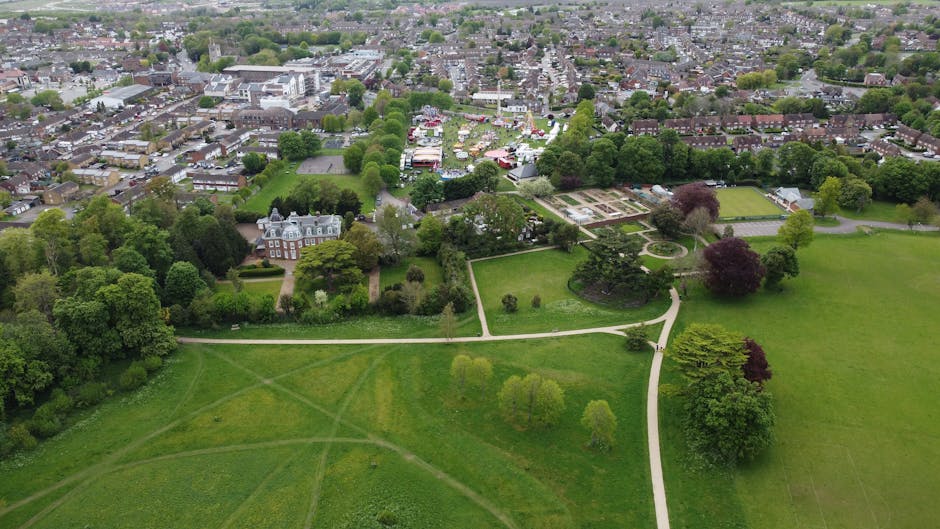
Crouch End Priory Park garden insider tips from local gardeners
If you live near Priory Park or spend any time in Crouch End, you'll know the local gardens have a very particular feel: leafy but lived-in, beautifully patched together, and shaped by London weather more than any glossy brochure ever could. The best Crouch End Priory Park garden insider tips from local gardeners are not about dramatic makeovers. They're about small, sensible choices that make a garden work better through wind, shade, root competition, foot traffic, and those sudden dry spells that seem to arrive right after you've watered everything. Truth be told, that's where the real value is.
This guide brings together practical local know-how for gardeners in and around Priory Park, whether you're tending a compact back garden, a front patch by the pavement, a rented space, or a more established plot that just needs calmer, more reliable results. You'll find seasonal guidance, common mistakes, comparison tips, and a grounded checklist you can actually use. And if you're planning wider improvements, you may also find it useful to explore our garden services, regular garden maintenance, and hedge trimming pages for related support.
Let's get into the real stuff. Not the vague, glossy version. The useful version.
Table of Contents
- Why these local garden tips matter in Crouch End Priory Park
- How local gardeners approach Priory Park gardens
- Key benefits and practical advantages
- Who this is for and when it makes sense
- Step-by-step guidance
- Expert tips for better results
- Common mistakes to avoid
- Tools, resources and recommendations
- Law, compliance, standards and best practice
- Options, methods and comparison table
- Case study or real-world example
- Practical checklist
- Conclusion
- Frequently asked questions
Why Crouch End Priory Park garden insider tips from local gardeners Matters
Crouch End gardens are shaped by a mix of conditions that often catch newcomers out. You may get shaded boundaries from mature trees, compact soil that's been walked on for years, exposed corners that dry quickly, and neighbour-side pressures like overhanging growth or limited access. Near Priory Park, many gardens also feel the effects of urban shelter and urban stress at the same time. A spot can be protected one day and quite blustery the next. A plant that looks happy in April can be sulking by August if it's in the wrong place. Happens all the time.
That's why local experience matters. A gardener who understands the area will think less in terms of "perfect plants" and more in terms of fit: what thrives in partial shade, what tolerates crowded conditions, what survives a summer without constant fuss, and what looks good without demanding a weekend every week. Those decisions save time, money, and a fair bit of frustration.
There's also a practical side. Gardens here are often used hard: children, pets, bikes, bins, entertaining, growing herbs, or just trying to make a modest outdoor space feel peaceful. Local tips help you balance all that without overcomplicating the job. If you need broader help planning that sort of balance, our landscaping guidance and turfing advice pages can be a useful next step.
Quick takeaway: in Crouch End and around Priory Park, the best garden advice is rarely about doing more. It's about doing the right things for your specific light, soil, and space.
How Crouch End Priory Park garden insider tips from local gardeners Works
At its core, this kind of local gardening advice works by matching your garden choices to the conditions you actually have, not the ones you wish you had. Local gardeners look at microclimates first. That means the small differences in sun, shade, wind, and moisture that can change everything in one street, or even one corner of a garden.
What local gardeners tend to assess first
- Light levels: morning sun, afternoon sun, and which areas stay shaded by buildings or mature trees.
- Soil behaviour: whether the ground drains quickly, holds water, or feels compacted and tired.
- Exposure: sheltered courtyards behave very differently from open, breezier plots.
- Maintenance tolerance: how much time you realistically want to spend pruning, feeding, mowing, and watering.
- Street-facing pressures: foot traffic, dust, boundary growth, and visibility from neighbours or passers-by.
Once those are clear, the advice becomes much more practical. Instead of asking, "What looks nice?" you ask, "What will still look decent in September with a bit less watering?" That's the sort of question local gardeners ask instinctively. A pretty good question, too.
In many Priory Park-area gardens, success comes from layering. A few reliable shrubs for structure, some low-maintenance perennials for seasonal colour, and a handful of herbs, bulbs, or climbers to keep things lively. It does not need to be elaborate. In fact, elaborate can become a burden surprisingly fast.
A simple way to think about the process
- Observe the garden at different times of day.
- Mark the driest, dampest, shadiest, and windiest spots.
- Choose plants for those exact conditions.
- Prep the soil properly before planting.
- Mulch, water, and prune with the seasons.
- Review after a few months and adjust rather than forcing the layout to work.
Key Benefits and Practical Advantages
The biggest benefit of using local gardener insight is simple: fewer mistakes. You avoid buying plants that never really suited the site, and you avoid wasting weekend after weekend trying to rescue them. That alone is worth something.
But there are other advantages too.
- Better plant survival: the right plant in the right place tends to need less intervention.
- Lower maintenance: well-chosen planting schemes usually need less watering, feeding, and emergency pruning.
- Better year-round appearance: a good local plan includes structure for winter, not just summer colour.
- More usable space: small gardens can feel larger when paths, pots, and planting zones are arranged with purpose.
- Higher confidence: if you know why a choice works, you're more likely to stick with it long enough to see the result.
For many homeowners, the real win is not a show garden. It's a garden that feels calm, usable, and forgiving. You step outside with a mug of tea, look around, and think: yes, this is working. That feeling matters more than people admit.
If you're comparing different ways to improve your outdoor space, it can help to look at our garden design and planting services information to see how a more structured plan might suit your space.
Who This Is For and When It Makes Sense
This kind of local advice is useful for a wide range of people, but it is especially helpful if any of the following sounds familiar:
- You have a garden that looks fine in spring but struggles later in the year.
- You've inherited a space and don't quite know where to start.
- You live near Priory Park and want a garden that suits the local environment rather than fighting it.
- You're short on time and need practical, low-maintenance choices.
- You want to improve kerb appeal without turning the whole thing into a full renovation.
- You've tried a few plants already, and they've simply not behaved.
It also makes sense if you are planning a staged approach. Not everyone has the time or budget to do everything in one go, and that's fine. In our experience, the best results often come from three phases: tidy the structure, improve the soil, then plant for the long term. A bit boring on paper. Very effective in real life.
If your garden has larger structural issues, for example poor access, tired paving, or broken edges, local gardeners may suggest starting with groundwork before plants. In that case, our patio cleaning and fencing pages may also be relevant to your planning.
Step-by-Step Guidance
Here is a practical, local-minded way to improve a garden around Crouch End Priory Park without overthinking it.
1. Walk the space at two or three times of day
Early morning, late afternoon, and after rain are the most useful moments. Notice where water sits, where the sun lands, and which corners feel cool or exposed. Don't just look. Pause. Stand still. You'll spot the odd little patch that always stays damp or the strip that bakes faster than the rest.
2. Decide what the garden is actually for
Every good garden choice starts with purpose. Are you after space for children, a place for herbs, a wildlife-friendly border, a better-looking front area, or a low-fuss retreat? If you try to make one tiny garden do everything, it usually starts sulking. Better to prioritise.
3. Clear out the weak points
Remove dead growth, cut back congested shrubs, and deal with obvious drainage or compaction problems before planting. A fresh layer of mulch can help, but it should not hide underlying issues for long. Think of it as a tidy-up, not a miracle.
4. Improve the soil in the parts that need it
Different parts of the garden may need different treatment. Feed poor soil with organic matter, loosen compacted areas carefully, and avoid overworking very wet ground. Around established trees, be cautious with digging. Roots don't appreciate a rough time.
5. Choose plants for the site, not for the label photo
Pick plants based on light, moisture, mature size, and maintenance level. A plant that looks gorgeous in a sunny nursery bench can be a headache in a shaded Crouch End courtyard. Look for resilient, well-proven choices rather than novelty.
6. Group plants with similar needs
This is one of the simplest insider tips and one of the most useful. Put sun-lovers together. Put shade-tolerant plants together. Don't create a border where one half wants dry soil and the other half wants constant moisture. It makes maintenance oddly messy.
7. Mulch, water, and prune on a routine
Once planted, a garden succeeds or fails on rhythm. Water deeply but not endlessly. Mulch in the right season to reduce drying and suppress weeds. Prune at the right time for the plant, not just when you finally notice it has become a bit wild. We've all been there.
8. Review and adjust after the first season
No plan is perfect on day one. The difference between a decent garden and a really good one is often the willingness to tweak. Move a pot. Replace one plant. Add a path edge. Reduce a border that is trying too hard. Small changes can make a huge difference.
Expert Tips for Better Results
Here are the sorts of tips experienced local gardeners tend to rely on, especially in areas like Crouch End and near Priory Park where space is precious and conditions can be a bit variable.
Use layers, not just borders
A strong planting scheme usually has ground level, mid-height, and taller structure. That gives the garden shape even when flowers are out of season. Think low plants, reliable mids, and one or two structural elements rather than a flat, one-note bed.
Be realistic about watering
New plants need attention, but overwatering is a common mistake. A good soak less often is usually better than a daily splash. If you're away often or travel for work, choose drought-tolerant options and use mulch to hold moisture. Nice and simple.
Prioritise resilience over novelty
There's a place for unusual plants, of course. But for a garden that has to work in the real world, toughness matters. Choose varieties known to cope with partial shade, urban conditions, and fluctuating moisture. Glamour is fine. Reliability pays the bills.
Think about sightlines from inside the house
This is one of those quiet details that changes how a garden feels. What do you see from the kitchen window on a wet Tuesday? What about from the back door at 8am? Local gardeners often design for those small daily views, because that's where the garden becomes part of ordinary life.
Leave room for growth
Plants nearly always get bigger than people imagine. Give them breathing room, or you'll end up pruning more than you intended. A little restraint at planting time saves a lot of disappointment later.
Use one repeating material or colour to calm the space
In busy urban gardens, repetition helps the eye rest. It might be the same pot material, the same edging style, or a repeated flower colour. A little consistency goes a long way.
Get the timing right
Early spring and autumn are often strong planting windows in the UK, but conditions matter more than the calendar alone. If the soil is waterlogged or frozen, wait. If the weather is very dry, prepare carefully. Gardening rewards patience, annoyingly and wonderfully.
Common Mistakes to Avoid
Some mistakes come up again and again in local gardens. The good news? They are easy to avoid once you know what to look for.
- Buying plants before understanding the light: a sunny label does not make a shady border sunny.
- Ignoring mature size: the small shrub that seemed ideal can quickly become the whole garden.
- Overcrowding everything: dense planting can look good for a few months, then becomes a maintenance headache.
- Using too many different styles: a garden with ten ideas in one space often feels busy rather than cohesive.
- Skipping soil improvement: planting directly into tired, compacted soil is asking for trouble.
- Watering little and often forever: shallow watering encourages shallow roots.
- Assuming a tidy look means low maintenance: sometimes the tidiest-looking gardens need the most work.
One subtle mistake is starting with accessories before structure. Decorative pots, lights, and ornaments are lovely, but if the layout is weak or the soil is poor, they end up decorating a problem. Better to sort the bones first, then the pretty bits. Always.
Tools, Resources and Recommendations
You do not need a shed full of specialist kit to make progress. Most local garden work can be done with a sensible, well-chosen set of tools and a bit of patience.
Useful basic tools
- Sturdy gloves
- Hand trowel and border fork
- Pruners or secateurs
- Watering can or hose with gentle spray setting
- Wheelbarrow or trug for debris
- Mulch fork or rake
- Soil improver or compost for bed prep
Helpful resources to consider
- Local garden centres for plants suited to London conditions
- Neighbourhood observation: what thrives in nearby gardens is often a clue
- Seasonal pruning and planting guides for specific species
- Professional maintenance support when the garden has become too much to tackle alone
If the job is bigger than a simple tidy-up, it may be worth getting a professional view. Our garden clearance and lawn care pages can help if you're dealing with a tired patch that needs more than a quick Saturday session.
And just to say it plainly: the best tool is often not a fancy gadget. It is observation. The garden tells you what it needs if you look long enough. Bit annoying, but true.
Law, Compliance, Standards, or Best Practice
For most domestic gardens in Crouch End, the main focus is practical best practice rather than heavy compliance. Still, there are a few things sensible gardeners keep in mind.
- Neighbour relations: if growth crosses boundaries, keep pruning conversations calm and reasonable. Good communication avoids unnecessary disputes.
- Wildlife care: if nesting birds are present, pruning and major disturbance should be timed carefully and carried out with care.
- Waste handling: green waste should be managed responsibly, whether composted, removed, or taken to an appropriate disposal route.
- Tree roots and shared boundaries: be cautious around established trees and boundary structures. When in doubt, avoid aggressive digging near roots.
- Public-facing areas: front gardens and boundary hedges should not create hazards for pedestrians or obscure visibility in a way that causes problems.
Best practice in the UK context is usually about common sense, care, and not causing avoidable damage. If you are dealing with a mature tree, significant boundary work, or anything that could affect a neighbour, it is worth checking before you cut. A small pause now is better than a headache later.
If your garden project touches hard landscaping or boundary work, you may also want to read more about our driveway services and brickwork support, especially where surfaces, edges, or access matter.
Options, Methods, and Comparison Table
There are usually a few ways to improve a Priory Park-area garden. The right choice depends on budget, time, and how much change you want to see.
| Approach | Best for | Strengths | Limitations |
|---|---|---|---|
| Quick tidy and refresh | Busy homeowners, rentals, pre-sale touch-ups | Fast improvement, lower cost, immediate visual lift | Doesn't solve deeper soil or layout issues |
| Planting-led improvement | Gardens with decent bones but tired planting | Strong seasonal impact, better long-term feel | Needs patience while plants establish |
| Full garden redesign | Layouts that no longer work or are heavily overgrown | Most transformative, tailored to the space | More time, planning, and usually higher cost |
| Maintenance-led recovery | Gardens that are healthy but unmanageable | Restores order without major upheaval | May need ongoing visits to keep results steady |
For many homes, the smartest route is a blend: tidy first, improve the soil, then adjust planting. That gives you results without forcing a big renovation all at once. A very normal, very workable way to do it.
Case Study or Real-World Example
Take a typical small rear garden near Priory Park: a narrow space, a bit of shade from one side, patchy lawn, and two borders that looked fine in spring but became messy by midsummer. The owners wanted something calmer and easier to look after, not a full redesign with bells on.
The first step was to stop treating every corner as identical. The shadier side was given plants that tolerate lower light and occasional moisture. The sunnier side was reserved for a few stronger, more drought-tolerant picks. The tired lawn area was reduced rather than fought over. A simple path line was kept clear so the garden felt longer and easier to move through.
The biggest change was not dramatic. It was practical. Less competing clutter. Fewer unhappy plants. Better spacing. Better soil prep. Within a season, the garden felt more settled, and the owners weren't constantly chasing problems. A modest improvement, but honestly, those are often the ones people notice most when they sit outside with a cup of tea and think, yes, this is better.
If you want something similar, a professional plan can help you avoid trial and error. You might also find our planting plans and seasonal maintenance guidance useful when shaping the next stage.
Practical Checklist
Use this checklist before you buy plants or start digging. Simple, but effective.
- Have I checked where the sun falls in morning, afternoon, and evening?
- Do I know which areas are dry, damp, shady, or exposed?
- Have I decided the garden's main purpose?
- Am I choosing plants for the actual conditions, not just the look?
- Have I checked mature plant size?
- Is the soil compacted, tired, or in need of organic matter?
- Do I have a sensible watering plan for the first few weeks after planting?
- Have I grouped plants with similar needs together?
- Do I have the right tools, or should I ask for help?
- Have I thought about maintenance after the first season?
Practical summary: if you get the light, soil, and maintenance level right, you will avoid most of the usual garden frustrations. The rest is just tidying, timing, and a bit of patience. Not glamorous, but it works.
Conclusion
The best Crouch End Priory Park garden insider tips from local gardeners are grounded in reality. They respect the way London gardens actually behave: shaded corners, busy lives, limited time, and weather that can change its mind halfway through the week. That is why local knowledge matters so much. It helps you make choices that last, rather than choices that merely look promising for a month.
Whether you are refreshing a small courtyard, rethinking a front garden, or trying to bring an overgrown space back under control, start with observation, then build carefully. Choose plants and layouts that suit the site. Keep the maintenance realistic. And don't be afraid to make smaller, smarter changes instead of chasing a perfect transformation all at once.
Get a free quote today and see how much you can save.
In the end, the most satisfying gardens are rarely the loudest ones. They're the ones that quietly fit your life, and keep doing it season after season.
Frequently Asked Questions
What makes Priory Park gardens different from other London gardens?
Gardens around Priory Park often combine urban shelter with pockets of shade, compacted soil, and variable moisture. That means the best plant choices are usually resilient and site-specific rather than generic showy options.
What are the best low-maintenance plants for a Crouch End garden?
The best low-maintenance plants are usually those that suit your light and soil first. In many local gardens, sturdy shrubs, shade-tolerant perennials, and drought-resilient border plants perform better than thirsty or delicate varieties.
When is the best time to plant in this area?
Spring and autumn are often sensible planting windows in the UK, but actual soil conditions matter more than the calendar. Avoid planting when the ground is frozen, waterlogged, or extremely dry without preparation.
How do I know if my garden has poor soil?
If water pools for too long, plants struggle repeatedly, or the soil feels dense and lifeless, you may have compacted or depleted soil. A gardener will often check texture, drainage, and root behaviour before making recommendations.
Can I improve a Priory Park garden without a full redesign?
Yes. Many gardens improve dramatically through better pruning, soil improvement, plant replacement, and clearer zoning. A full redesign is not always necessary, especially if the structure already works.
What is the most common mistake local gardeners see?
One of the most common mistakes is choosing plants without enough thought for shade, drainage, or mature size. Another is trying to make every part of the garden do the same job, which usually creates clutter.
How often should I water newly planted shrubs?
New shrubs usually need regular watering at first, then less frequent but deeper watering as they establish. The exact schedule depends on weather, soil type, and the plant itself, so it is best to check rather than assume.
Do I need professional help for a small garden?
Not always, but professional help can save time if the space is awkward, overgrown, or difficult to plan. A small garden can actually benefit a lot from expert spacing and plant selection because every square metre counts.
Are there any rules I should know before pruning or clearing?
Yes, a few practical ones. Be mindful of nesting birds, boundary issues, and tree roots. If you are working near a shared boundary or a mature tree, it is wise to proceed carefully and avoid unnecessary damage.
How do I make a garden feel bigger?
Use clear sightlines, limit competing materials, repeat colours or textures, and avoid overcrowding. Even a small garden can feel more generous if movement through the space is easy and the layout is calm.
What services are most useful if my garden has become unmanageable?
Garden clearance, maintenance, pruning, hedge trimming, and planting support are often the most useful starting points. From there, you can decide whether the space only needs recovery or a more considered redesign.
How can I keep my garden looking good through summer?
Mulch early, water deeply during dry spells, deadhead where needed, and avoid letting one part of the garden become neglected while another gets all the attention. Summer is usually about consistency, not perfection.