Top rated Crouch End garden care for small city yards
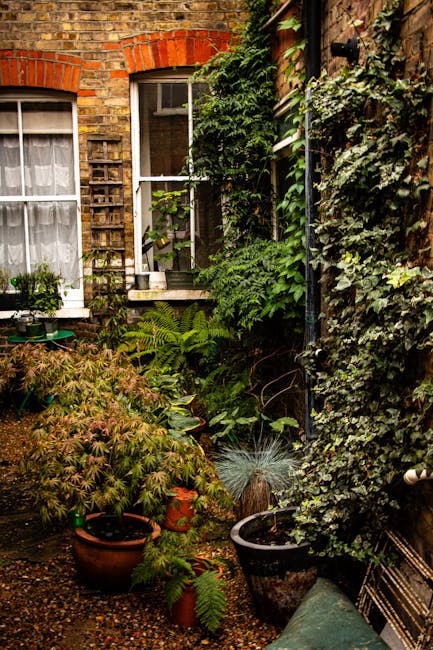
If you live in Crouch End, you already know the charm of a small city yard: a bit private, a bit tucked away, and often just tricky enough to keep tidy. Leaves blow in from next door, lawns get patchy in shade, and a narrow patio can start looking crowded fast. That is exactly where Top rated Crouch End garden care for small city yards makes life easier. It is not about overcomplicating a tiny outdoor space. It is about keeping it neat, usable, and genuinely pleasant to spend time in, without wasting time or money on the wrong kind of maintenance.
In this guide, you will find a practical look at how small-yard care works, what matters most in a compact London garden, and how to choose the right mix of maintenance, trimming, clearance, and light landscaping. I will also cover common mistakes, a simple checklist, and a realistic example from everyday city-garden life. Nothing fancy. Just the stuff that actually helps.
Why Top rated Crouch End garden care for small city yards matters
Small yards in Crouch End tend to be exposed to the usual London mix: shade from surrounding buildings, a bit of wind funneling through gaps, and not much room for error. A large garden can absorb a messy corner or a tired border. A compact one cannot. Every detail is visible. Every neglected task seems larger than it really is. That is why regular, thoughtful care matters so much here.
In a small city yard, the goal is not just "maintenance" in the vague sense. The goal is to keep the space working. A tidy lawn edge makes the whole yard feel sharper. A trimmed hedge opens up light. Clear pathways make the garden feel bigger immediately. Even one overgrown shrub can make a courtyard feel cramped and a bit sad, to be fair.
Another reason this matters is time. City life is busy. Most people do not want to spend an entire Saturday wrestling with shears, moss, and a green bin that is already full. Good garden care gives you a more manageable rhythm, so the space stays enjoyable rather than becoming another weekend chore. And let's face it, nobody wants to step outside and be greeted by a jungle that has had a very productive month.
For homeowners, tenants, landlords, and small property managers, top rated garden care also helps protect value. A well-kept yard improves first impressions, supports better use of the space, and can reduce the need for bigger remedial work later. Small spaces are easiest to maintain when they are not allowed to get out of hand in the first place.
For a broader look at what this kind of ongoing upkeep can include, the garden maintenance service page is a useful place to start.
How Top rated Crouch End garden care for small city yards works
The best small-yard care usually starts with a simple principle: keep the structure clean, then maintain the living parts. In practical terms, that means looking at the yard in layers. Paths, patios, lawn areas, borders, hedges, trees, and any built features all play a part. If the hard edges are neat, the whole garden feels calmer right away.
A typical small-city-yard maintenance routine may include lawn mowing, edging, hedge trimming, light pruning, weed control, leaf clearance, and occasional tidying of borders or paved areas. If the yard is especially compact, the work often focuses on improving light, managing growth, and making sure the space still feels open.
What makes Crouch End different from a generic suburban garden is the way small spaces behave. Shade builds up quickly. Moisture can linger after rain. Narrow access may make equipment choice important. And because neighbours are close by, tidy work matters. You do not want clippings scattered over the shared boundary or a noisy, half-finished mess hanging around all afternoon. Not ideal. Not at all.
Professionally, the process should be planned rather than rushed. A good gardener or grounds team will normally assess what the yard needs most, then decide whether the right starting point is routine upkeep, a one-off clearance, hedge work, or a small redesign. In many cases, the right answer is a mixture. For example, a garden may need clearing first, then trimming, then a maintenance schedule to keep it under control.
If the space has become cluttered, an initial tidy can make everything else easier. You can explore that kind of reset through garden clearance before moving into ongoing care.
Key benefits and practical advantages
Small-yard garden care is not just about appearances, although that is part of it. The real value comes from how the space feels and functions day to day.
- More usable space: A clean edge, trimmed growth, and simple layout make even a narrow yard feel bigger.
- Less stress: Regular upkeep prevents that "I should really deal with this" feeling that hangs over neglected gardens.
- Better light and airflow: Especially important in tightly packed Crouch End streets where shade can be a constant issue.
- Safer surfaces: Fewer slippery leaves, overhanging branches, and hidden trip hazards.
- Healthier plants: Thoughtful pruning and seasonal work support better growth.
- Improved property presentation: Helpful for homeowners, rentals, and anyone preparing to sell or let a property.
There is also a subtle but very real lifestyle benefit. When a small garden is tidy, you use it more. A compact yard with a chair, a few pots, and a clean paved area can feel like a proper extension of the home. Morning coffee outside. A plant watering routine that does not feel like a battle. That sort of thing. Small, but lovely.
For gardens with a simple lawn at the centre, regular cutting and edge care can make a surprisingly big difference. A neat finish is often the difference between "tired patch of grass" and "well-kept outdoor room." If that sounds like what you need, lawn mowing support is often the most efficient starting point.
Who this is for and when it makes sense
This kind of service is a strong fit for a few different people. You might be a homeowner who wants a low-fuss garden that still looks good. You might be renting and need the outdoor area to stay presentable without spending every weekend on it. You might be a landlord with a compact yard that needs to be ready between tenancies. Or maybe you simply like having a neat space but do not have the time, tools, or patience to keep after it.
It also makes sense if your yard has any of these issues:
- patchy lawn growth in shade
- fast-growing hedges or climbers
- too many pots, clutter, or old plant material
- slippery paving from leaf fall or moss
- overgrown edges that make the space feel smaller
- access that is awkward for larger equipment
Sometimes the need is seasonal. Spring and early summer often reveal everything that has happened over winter. Autumn brings leaf build-up, seed drop, and a bit of garden chaos, truth be told. Winter can expose bare spots, drainage issues, and the skeleton of the space. Small yards rarely get a full "rest"; they just shift from one maintenance demand to another.
For residents who need more than a quick tidy, a wider service plan can help keep things predictable. The services overview page is useful if you want to understand how different garden tasks fit together.
Step-by-step guidance
If you want a sensible approach to small-yard care, start here. This is the kind of process that keeps things manageable without turning the job into a project that drags on forever.
- Walk the space slowly. Look for overgrowth, dead material, blocked access, unsafe surfaces, and areas that feel visually cramped.
- Decide what is urgent. Safety comes first. Then access. Then appearance. A wobbly branch over a path matters more than decorative detail.
- Clear the clutter. Remove broken pots, leftover compost bags, branches, and anything else that is making the yard feel crowded.
- Cut back the growth that is dominating the space. This may mean hedges, climbers, or stray shrubs. Shape matters in a small garden.
- Deal with the lawn or ground surface. Mow, edge, sweep, or pressure-clean as appropriate. Be careful with delicate paving and old surfaces.
- Refresh the borders and containers. Replace tired plants, prune lightly, and make sure planting has enough room to breathe.
- Review what should happen monthly or seasonally. A little routine maintenance usually beats one huge rescue job.
One practical tip: do not try to solve everything in one visit if the garden has been ignored for a while. It sounds productive, but it can lead to rushed decisions. Better to clear, assess, then refine. That slower rhythm usually gives the best result.
If your yard contains a hedge that is eating light or making the space feel boxed in, this is where precise shaping matters. You can see the relevant service via hedge trimming.
Expert tips for better results
Small yards reward restraint. That is probably the biggest expert lesson. You do not need to pack them with lots of plants, lots of materials, or lots of features. In fact, too much usually makes the space feel busier, smaller, and harder to care for.
Use height carefully. Vertical planting can be brilliant in a compact yard, but only when it is controlled. A single climbing frame or trellis can create interest without swallowing the whole space. Too many vertical elements and the garden starts to feel tight.
Keep a clear line of sight. If you can see the whole yard from the doorway, it will feel larger. This often means lowering bulky shrubs near the front and keeping the centre open.
Choose plants that behave well. Compact, slow-growing, or shade-tolerant plants are usually easier to manage in city gardens. You want structure, not a plant that needs weekly negotiation.
Think about maintenance before planting. A plant that looks beautiful in a nursery but needs constant attention can become a burden. In a small yard, the maintenance load matters just as much as the look.
Watch the edges. Clean borders and tidy transitions between grass, paving, and beds instantly improve the feel of the space. Oddly enough, edges often do more visual work than the main feature.
Expert summary: In a small city yard, the best design is usually the one that makes maintenance easier, light better, and clutter disappear. Fancy is optional. Clean and calm usually wins.
And yes, there is a little joy in seeing a narrow yard transformed after a careful tidy. You hear the scrape of a broom on paving, the snip of secateurs, maybe a bird somewhere above the rooftops. Then suddenly the space makes sense again.
If you are considering more than routine maintenance, especially for a yard that needs reshaping or more substantial improvement, landscape gardening and landscaping may be worth exploring.
Common mistakes to avoid
Most small-yard problems come from a handful of avoidable mistakes. Some are obvious once you see them; others creep in quietly.
- Overplanting: Too many plants or too many large containers can make a compact garden feel crowded.
- Letting hedges go too long: Once they overgrow, cutting them back can leave the space bare or uneven.
- Ignoring drainage: In small yards, waterlogging can make every other problem worse.
- Skipping regular edging: A lawn edge that goes soft makes the whole yard look unfinished.
- Using the wrong tools: Large equipment can damage tight spaces or awkward surfaces.
- Forgetting access routes: It is easy to focus on the garden and forget that bins, gates, and side passages also need to function.
- Doing everything at once: Messy, rushed work can create more clean-up later.
One common issue in older London gardens is that the yard slowly becomes a storage zone. A chair, a broken planter, an old trellis, some spare slabs, maybe a half-finished bag of compost. Nothing dramatic. Just enough to make the space feel smaller. This is where selective clearance helps more than cosmetic tinkering.
If your space has accumulated more debris, cuttings, or forgotten bits and pieces than it should have, garden clearance may be the right reset before anything else.
Tools, resources and recommendations
For a small city yard, the right tools are usually compact, sharp, and easy to control. Bigger is not better here. It really is not.
| Task | Best tool or approach | Why it suits a small yard |
|---|---|---|
| Lawn care | Compact mower or professional mowing service | Easy to manoeuvre in tight spaces and around edges |
| Hedge shaping | Hand shears or precision trimmer | Better control and cleaner lines |
| Leaf and debris removal | Rake, blower used carefully, or manual clearance | Prevents clutter without scattering mess |
| Border maintenance | Hand fork, trowel, and secateurs | Works well around pots and narrow beds |
| Hard surface cleaning | Broom, brush, and appropriate cleaning method | Protects paving and keeps surfaces tidy |
When people ask what resources matter most, the answer is usually consistency, not gadgetry. A good schedule, a realistic plan, and the willingness to remove rather than accumulate unnecessary growth all help more than a pile of specialist equipment.
For some homes, especially where outdoor surfaces and small structures are part of the picture, it can also be sensible to think about the whole garden system, not just the planting. That is where decking services can become relevant if the space includes timber or composite areas that need care alongside the planting.
It is also worth checking how a provider handles business basics. Clear information about pricing and quotes, payment and security, and insurance and safety can tell you a lot about how professionally the work is managed.
Law, compliance, standards, or best practice
For ordinary garden care, there is not one single rulebook that covers everything, but there are sensible UK best-practice expectations. If work involves pruning near boundaries, handling waste, using ladders, or accessing shared areas, it should be done carefully and with respect for safety and neighbours. That sounds obvious, but in tight urban settings it matters more than people think.
Good practice usually includes:
- working safely with tools and avoiding rushed cuts
- disposing of green waste responsibly
- keeping pathways clear during the job
- avoiding unnecessary disturbance to adjoining properties
- checking for hidden hazards before cutting or clearing
If trees are part of the yard, larger work should be treated separately from basic maintenance. Tree management can involve risk and should be approached cautiously. Where removal or significant reduction is needed, tree lopping and removal is the more suitable service to review.
It is also sensible to prefer providers who can explain how they manage waste and environmental impact. If sustainability matters to you, a clear recycling and sustainability approach is a good sign, especially for regular garden upkeep.
For people who like to understand the company behind the work, about us can be useful too. Trust is not just about the cut of the hedge; it is about how the whole service is run.
Options, methods, or comparison table
Not every small yard needs the same level of care. Sometimes you need a one-off rescue. Sometimes a tidy-up every few weeks is enough. And sometimes the right decision is a broader redesign. Here is a practical comparison.
| Approach | Best for | Main advantage | Trade-off |
|---|---|---|---|
| One-off tidy | Overgrown or neglected yards | Fast reset and immediate improvement | Needs follow-up to stay tidy |
| Routine maintenance | Small gardens that are already in decent shape | Keeps the yard easy to manage | Requires consistency |
| Clearance first, maintenance second | Cluttered or heavily used spaces | Removes the backlog before regular care begins | Can take more than one visit |
| Light landscaping | Yards that feel awkward or cramped | Improves layout and day-to-day use | Needs planning and a bigger budget |
To be fair, most city yards benefit from a hybrid approach. A bit of clearance. A bit of trimming. Then a maintenance rhythm that is realistic for the season. That balance is usually better than trying to make the garden "perfect," which is a bit of a trap anyway.
If you want a structured service view, the garden maintenance and lawn mowing pages are both helpful for understanding how routine care can be organised.
Case study or real-world example
A typical Crouch End example goes something like this. A small rear yard behind a terraced property starts off tidy enough in spring, then by late summer it has become a little crowded. The hedge has grown into the light, two planters are half-full of tired compost, the lawn edge has softened, and the paving has a thin layer of leaf debris and moss. Nothing dramatic. Just enough that the space no longer feels inviting.
The first step is not a full makeover. It is a calm reset. Clear out the clutter, reduce the hedge mass, sharpen the edges, and tidy the hard surfaces. Once the light comes back, the yard suddenly feels wider. The same square metres. Just used better.
After that, the maintenance plan is simple: regular mowing where relevant, seasonal hedge work, border refreshes, and periodic clearing of fallen debris. If there is a tree shading the space too heavily, that becomes a separate decision. Not every garden problem is a planting problem. Sometimes the canopy is the real issue.
That kind of transformation is common in compact London spaces. The big change is often not expensive. It is just thoughtful. And in a small garden, thoughtful wins.
Practical checklist
Use this checklist if you want to assess your yard before booking work or starting yourself.
- Is the lawn or ground cover easy to walk across?
- Are the edges neat, or have they blurred into the borders?
- Does the hedge block too much light?
- Are there branches, leaves, or debris making the space feel cluttered?
- Do the plants suit the amount of shade the yard gets?
- Is the layout open enough to use comfortably?
- Are there any trip hazards, slippery patches, or awkward access points?
- Would a clearance first, then maintenance, make more sense than a simple tidy?
- Do you know how often the space really needs attention?
- Have you checked whether the provider is clear about safety, insurance, and payment?
If you can answer most of those questions confidently, you are in a good place. If not, that is fine too. Small gardens often need a bit of observation before they need a spade.
Get a free quote today and see how much you can save.
Conclusion
Top rated Crouch End garden care for small city yards is really about making compact outdoor spaces simpler, calmer, and more enjoyable to use. The best results come from clear priorities: keep the layout open, control overgrowth, stay on top of mowing and trimming, and avoid letting clutter build up. That approach suits Crouch End's smaller gardens beautifully because it respects the realities of city living.
Whether you need a one-off tidy, routine upkeep, or a more considered redesign of a tight space, the key is choosing the right level of care at the right time. Start with what will make the yard feel usable again. The rest usually follows. And once a small garden is back in shape, it has a habit of changing how the whole home feels. Which is no small thing, really.
If you are ready to take the next step, review the services that fit your space best and ask for a clear plan. A well-kept yard does not need to be complicated. It just needs the right hands and a sensible rhythm.
Frequently Asked Questions
What makes small city yard garden care different from regular garden maintenance?
Small city yards need a more careful approach because every inch matters. The main focus is usually on light, space, access, and keeping the garden easy to use rather than trying to create a large, highly featured landscape.
How often should a small yard in Crouch End be maintained?
It depends on the amount of growth, shade, and usage, but many small yards benefit from regular attention rather than occasional big clean-ups. A modest routine is usually easier and more cost-effective than allowing problems to build up.
Is lawn mowing enough for a tiny garden?
Sometimes, but not always. If the yard has hedges, borders, paving, or clutter, mowing alone will only solve part of the problem. Many compact gardens need a mix of mowing, edging, trimming, and general tidying.
What if my yard is mostly shade and not much grass grows?
That is very common in London gardens. In that case, the best plan may involve reduced lawn care and more attention to surface cleaning, planting that suits shade, and keeping growth controlled so the space still feels open.
Should I clear the garden before scheduling maintenance?
If the yard is cluttered or overgrown, yes, clearance first is often the smartest route. It makes ongoing maintenance easier and helps the gardener see the space properly before deciding what comes next.
How do I know if I need hedge trimming or something more major?
If the hedge is simply untidy or a bit overgrown, trimming is usually enough. If it is blocking too much light, pushing into the yard, or has become too large for the space, a more considered reduction or broader landscaping discussion may be needed.
Can a small city yard really be made to look bigger?
Yes. Open sightlines, tidy edges, reduced clutter, and well-controlled planting can make a compact yard feel noticeably larger. It is often more about layout and discipline than square footage.
What should I check before hiring a garden care provider?
Look for clear pricing, sensible communication, insurance and safety information, and a service range that matches what your garden actually needs. A provider who explains the plan clearly is usually easier to work with.
Do I need landscaping for a small yard?
Not always. If the space only needs upkeep, routine maintenance may be enough. Landscaping is more relevant when the layout feels awkward, the surfaces are tired, or you want a more permanent improvement to how the yard functions.
What is the biggest mistake people make with compact gardens?
Overcrowding. Too many plants, too much furniture, or too many unfinished projects can make a small yard feel cramped and harder to care for. Simplicity usually works better.
How do I keep a small garden tidy through autumn and winter?
Stay ahead of leaf fall, remove debris regularly, and avoid letting damp growth sit too long on paths or paving. A light but consistent routine keeps the yard safer and less gloomy during the darker months.
Where can I learn more about the company behind the service?
You can start with the about us page and then look at service details like services overview or pricing and quotes if you want to understand the process before making a decision.
Small yards can be surprisingly rewarding once they are looked after properly. A bit of care goes a long way, and honestly, that is part of the charm.